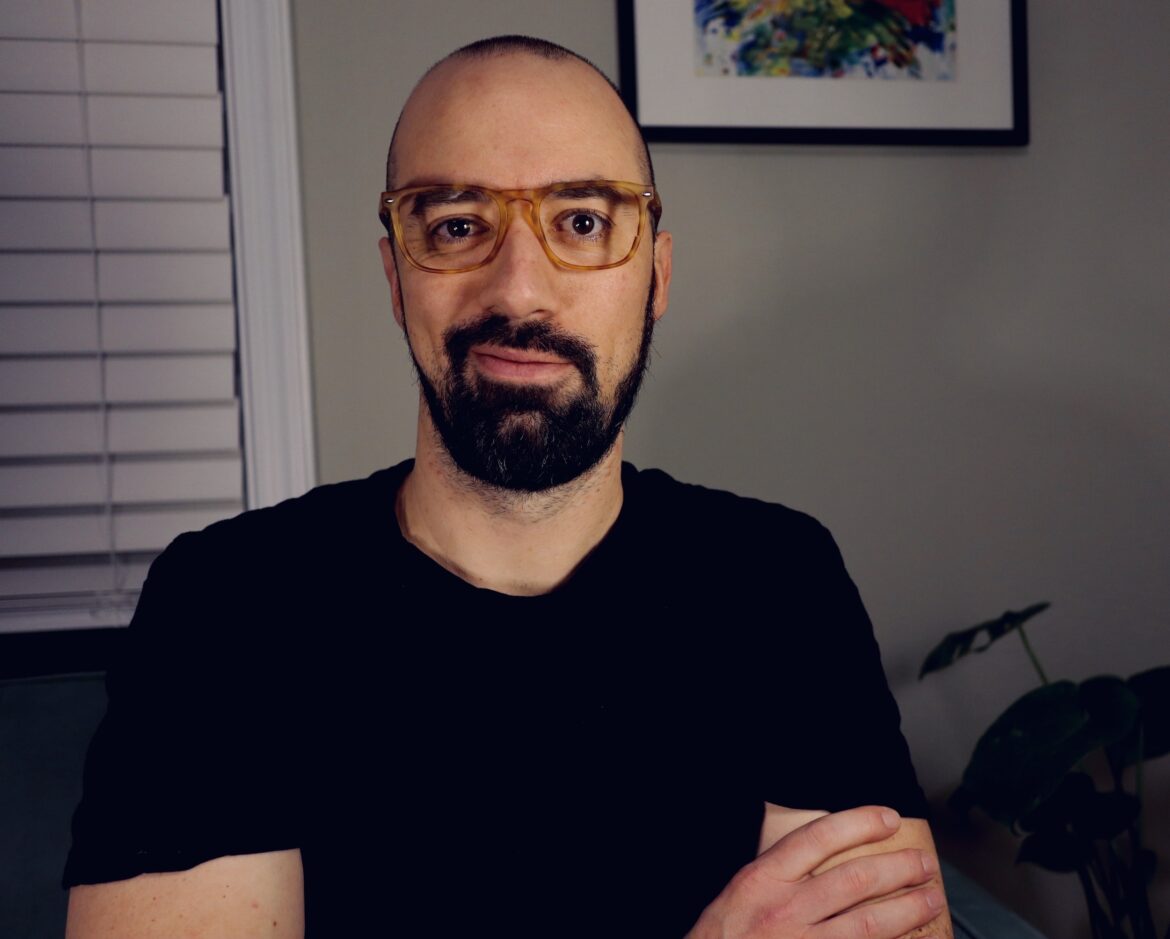
After more than a decade as a teacher, I left the classroom and promised myself I would never go back.
I wanted to build a career around books, writing, ideas, and the internet.
It was a collection of interests I had spent years treating as hobbies because nobody had ever presented “person who thinks about stories and business models” as a practical career choice.
For a while, it worked.
I built Thriller 101, interviewed more than 100 authors and literary agents, grew an email audience, created a writing community, and learned how to turn content into something people returned to.
Then I moved into publishing and managed more than 35+ book projects for authors and entrepreneurs.
Many of them were using their books to attract clients, create authority, and build businesses.
I became fascinated by what happened behind the visible work.
- Where did someone go after reading the book?
- What could they buy?
- Who followed up?
Did all that attention lead somewhere?
Or did everyone exchange LinkedIn congratulations and move on with their lives?
Then, in 2026, I was laid off because the company didn’t have enough new projects coming in.
The work hadn’t failed.
The system feeding the work had.
So, yeah, I panicked for a few minutes.
However…
underneath the panic was an idea I couldn’t shake:
I had spent years creating assets inside systems I didn’t control.
And the creators I want to help are confronting their own version of that problem.
- You’ve built the audience.
- You’ve earned the trust.
- You’ve created the demand.
But the platform still owned the attention.
And the creator was still personally holding the business together.
That’s why I’m building something different.
I believe creative people should benefit financially from the value they create.
I believe monetization can make the work better rather than corrupt it.
And I believe the business should protect the creativity instead of slowyl consuming it.
